Planning a wedding involves countless decisions—and for D/deaf and Hard of Hearing brides, accessibility is often part of that process from the very beginning. Just ask AnnaBlair Sarsfield.
After experiencing hearing loss that progressed to profound deafness at a young age, AnnaBlair learned to listen and speak clearly through cochlear implants and Auditory-Verbal Therapy. Today, she uses her platform to advocate for accessibility and communication without limits. She's getting married later this year, so she's the perfect person to talk to about navigating wedding planning with a hearing loss.
In this Q&A, AnnaBlair shares how she’s approaching her wedding planning with intention, from choosing an accessible venue to preparing for speeches and building in hearing breaks.
How did you and your partner meet?
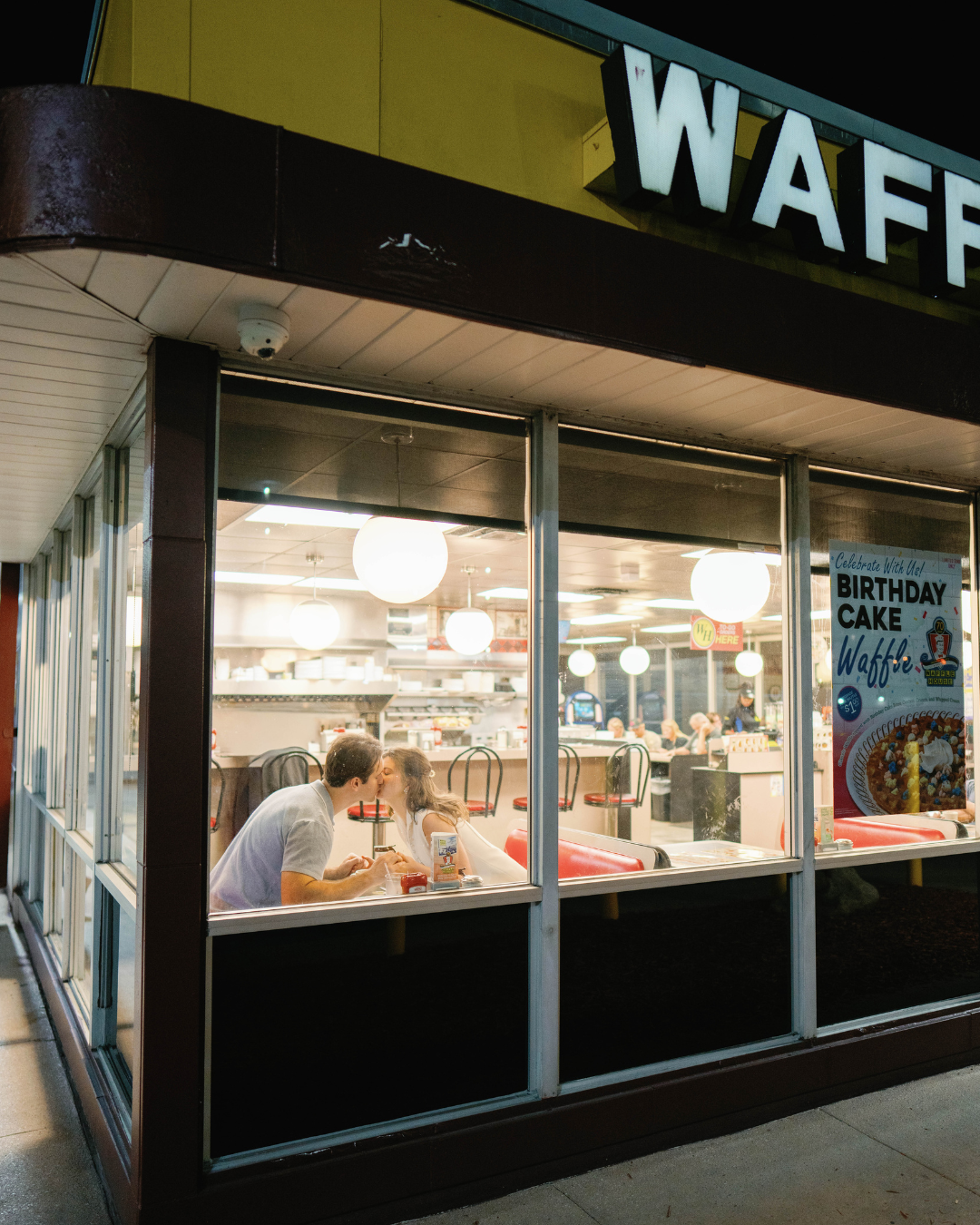
Jake and I met on Hinge! We were both students at the University of Georgia; I was in my third year while he was in his fourth. I was always a “meet-cute” kind of girl, but fall 2020, with fully virtual classes, led me to give online dating a try. What started as a simple message about my dog turned into our first date at Bruster’s ice cream—and the rest is history.
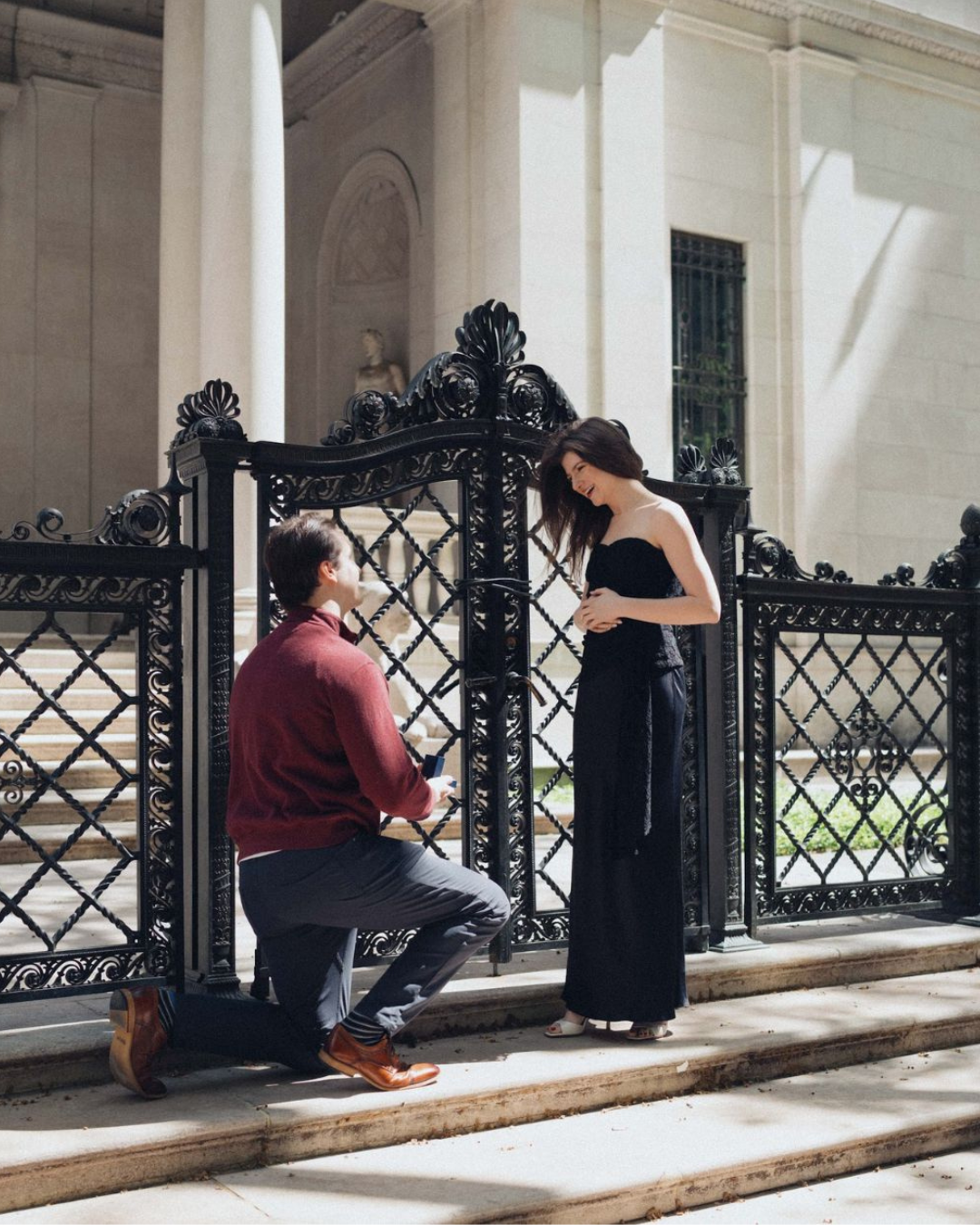
After years of long-distance while I pursued dance in New York and Jake completed medical school, he proposed in April 2025 in front of the Morgan Library in NYC. Now, we’re finally in the same place, beginning this next chapter together.
What inspired your wedding vision?
Trends have come and gone, but my vision has always been the same: timeless, sophisticated, formal, and intentional. Luckily, Jake’s vision for the wedding was right in line with mine—we both wanted to get married in a church and have a formal reception to follow. We ended up booking a beautiful church, Peachtree Christian Church, and The St. Regis Atlanta for the reception. The wedding is definitely a combination of NYC sophistication and Southern charm.
How did accessibility play into your choice of venue?
I always knew I wanted an indoor ceremony because my cochlear implants can’t get wet, so eliminating the stress of weather was important to me. As we toured venues, I quickly noticed that I could hear better in some than others: carpeted, mostly indoor spaces helped reduce echo, while venues with marble floors or lots of background noise were much more challenging.
Layout mattered just as much as acoustics. Some beautiful spaces had large columns that would have made it harder to see faces and follow visual cues. While the church is more echoey, getting married in a church mattered more to me than perfect acoustics. Luckily, the reception space we chose was the easiest to hear in, which made the decision even easier.

What are you doing to make sure you don’t miss speeches or special moments like vows and toasts?
I’m less concerned about the ceremony itself, even though the church is echoey, because I’ll be close to Jake and our officiant—and many of those moments will be familiar or rehearsed. The rehearsal will also help me work through any potential challenges ahead of time.
For speeches, visibility is key. I’ll make sure speakers are facing me so I can rely on visual cues if needed. I’ve considered having speeches written in advance, but I also want to leave room for spontaneous moments. As a backup, I’ll have my PartnerMic on hand if I need it—just in case.
How are you planning to take breaks or manage listening fatigue on your wedding day?
Getting ready will naturally include built-in listening breaks since I’ll be taking my cochlear implants on and off for hair and makeup. I also plan to keep that time calm, with light background music instead of anything overly loud or distracting.
I usually don’t put my implants on first thing in the morning, so easing into the day helps set the tone. Throughout the day, quick resets—like turning them off and on or changing batteries—make a big difference for me. My batteries last about seven hours, so I’ll be proactive about swapping them out before key moments like the ceremony, reception, and send-off.
What advice would you share with other Deaf and Hard of Hearing brides just starting to plan their wedding?
Hire a wedding planner. Having someone who can advocate for you and communicate your needs to vendors takes a huge weight off your shoulders. I wanted a team of vendors who not only understood my vision, but who also worked well together—and who I felt genuinely comfortable around, especially my photographer and glam team.
Planning ahead has been key. I’m doing everything I can in advance to create the best listening environment so I don’t have to think about my hearing on the actual wedding day. Everyone’s hearing journey is different, so don’t be afraid to lean on your support system and clearly communicate what you need.
I also rely heavily on tools that give me confidence, like InnoCaption for phone calls and Google Meets and Zoom for virtual meetings. Those tools allow me to communicate independently and stay fully involved throughout the planning process.
What’s one thing you want other brides-to-be to know as they plan their big day?
When making decisions, no matter how big or small, be intentionally you. Trends come and go, but it is impossible for someone to have your exact wedding because no one else is you.
But also: marry your person and everything will fall into place! The bridal glow is inevitable when you’re marrying the one :)


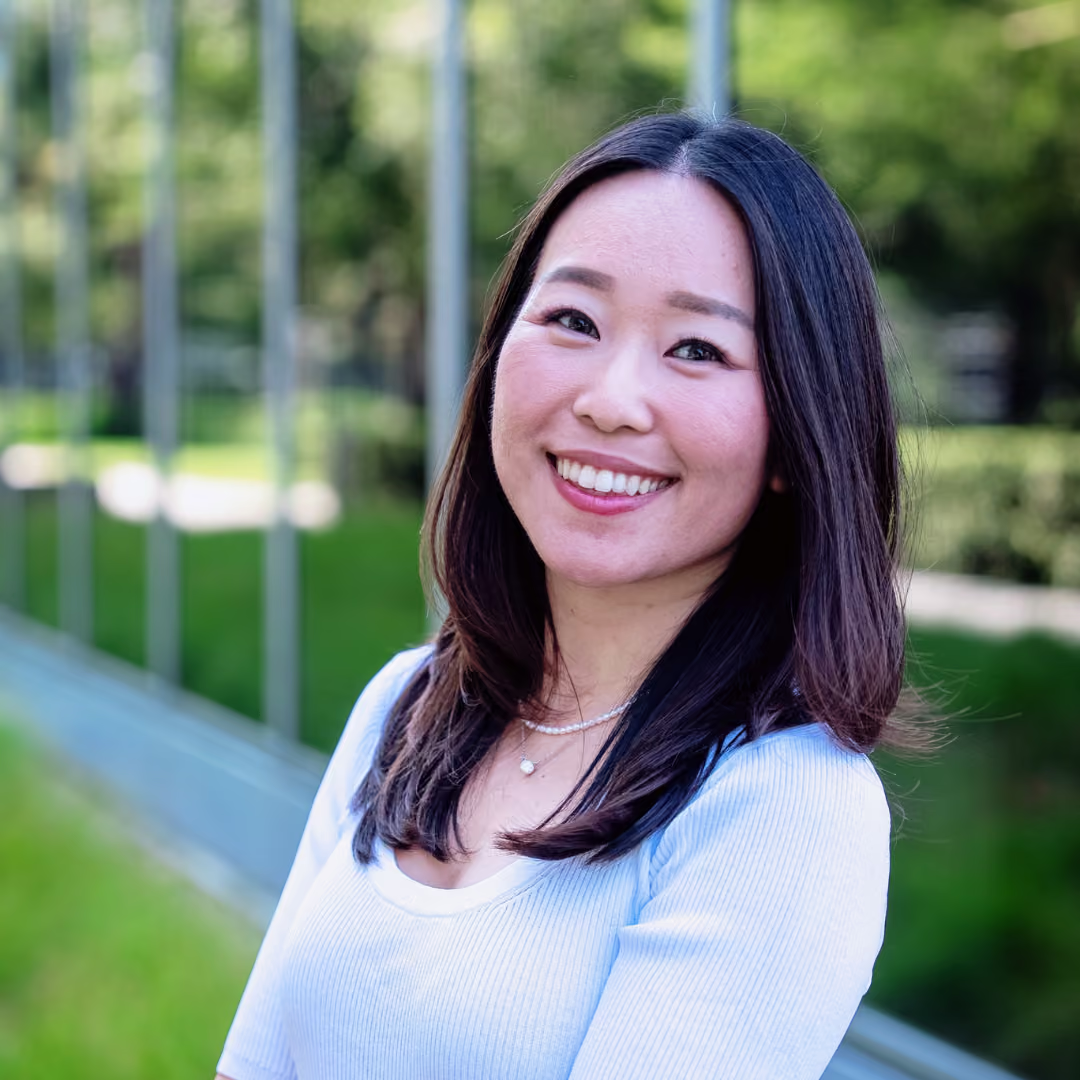
Minah Han is a marketing professional dedicated to advancing accessible communication solutions for the deaf and hard of hearing community. At InnoCaption, she leverages her expertise in digital marketing and storytelling to amplify the voices of individuals who rely on innovative technologies for everyday conversations. Minah is passionate about bridging the gap between technology and accessibility, helping to drive awareness and education around captioned calling solutions.
InnoCaption provides real-time captioning technology making phone calls easy and accessible for the deaf and hard of hearing community. Offered at no cost to individuals with hearing loss because we are certified by the FCC. InnoCaption is the only mobile app that offers real-time captioning of phone calls through live stenographers and automated speech recognition software. The choice is yours.