When my kids were little, they would sometimes wake me up by prying my eyelids apart to stare directly into my eyeballs. (Needless to say, I nipped that in the bud quickly.)
But, setting aside eager kids and their hands, the world is very much built for acoustic alerts, as anyone in the Deaf and Hard of Hearing (DHH) community knows all too well. But what happens at night when you remove your hearing aids or cochlear implants? How do you know if the doorbell is ringing, the baby is crying, or worse, the smoke detector is blaring?
As an audiologist, a late-deafened adult, a cochlear implant user, and a tech enthusiast, I’ve spent years exploring solutions to this exact problem. Whether you are looking for yourself or a loved one, here is a definitive guide to the best alarm and alerting systems for the DHH community.
Before buying an alarm clock or alert system, it helps to understand the three primary ways assistive technology delivers alerts.
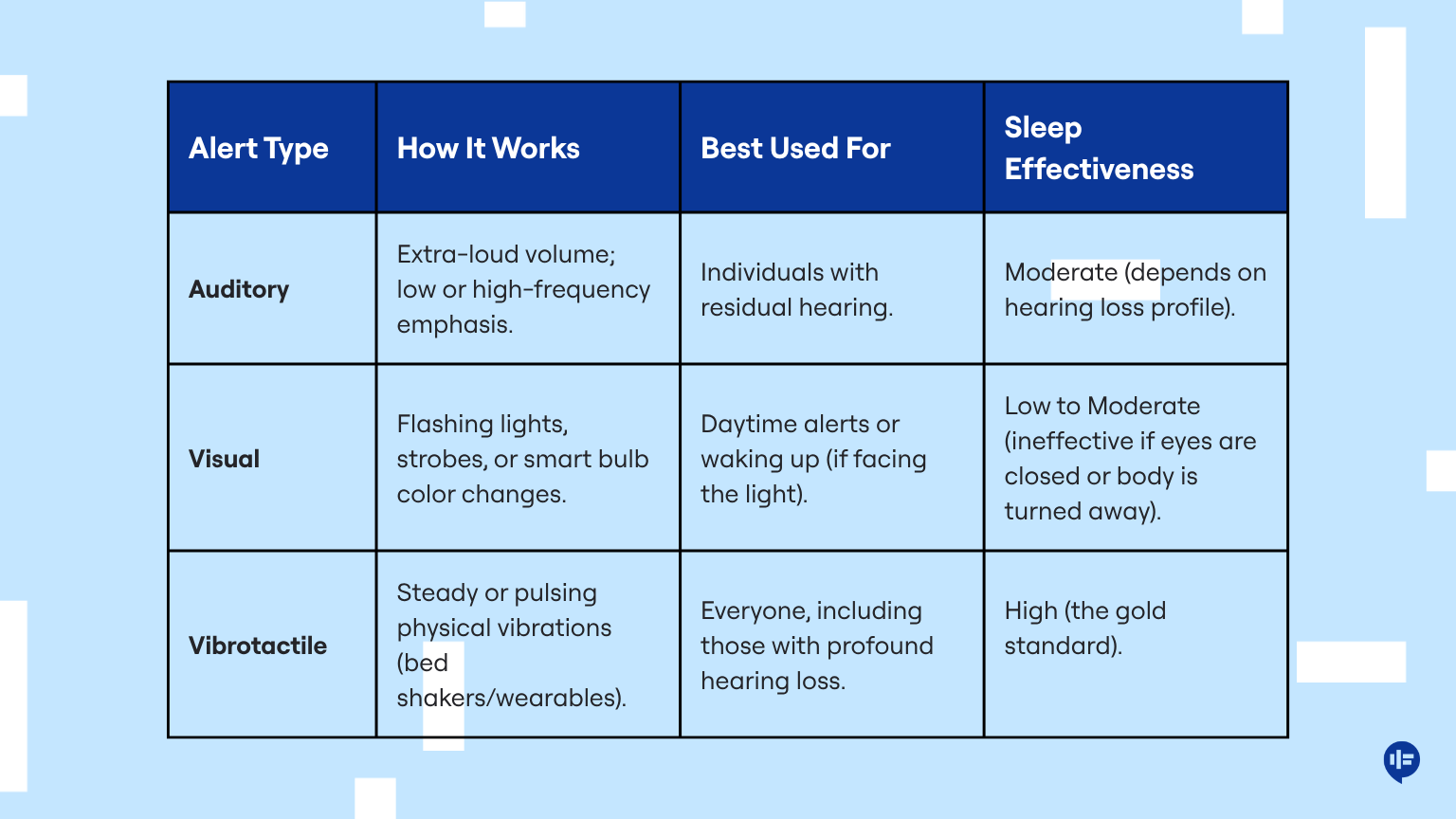
Techy Tina’s Take: If you have zero residual hearing when your devices are off, a vibrotactile signal is your safest and most effective bet. Studies show heavy vibrations wake up deep sleepers without hearing loss, too—making them excellent holiday gifts for stubborn teenagers! Avoid relying solely on strobe lights for sleep; if you roll over or the strobe is across a hotel room, it won't wake you.
Best for: Bulletproof reliability and the strongest possible vibration.
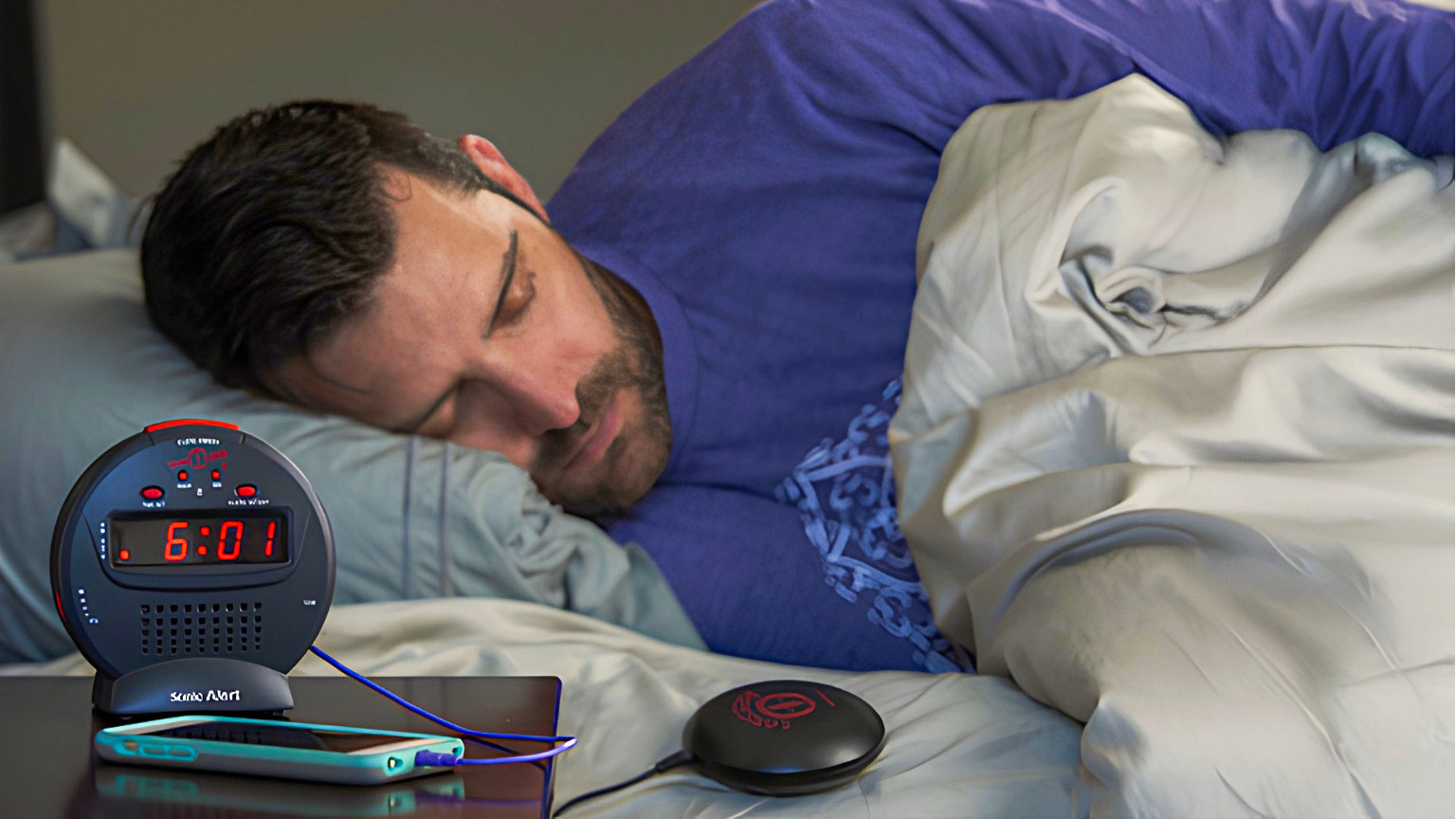
If you want a classic, reliable setup that sits on your nightstand, a dedicated tabletop clock with a wired bed shaker is the industry standard. These alarm clocks usually feature a massive digital display and a physical puck that slides under your mattress or pillow.
Best for: Creating an integrated smart home ecosystem for comprehensive safety.
Modular systems go beyond waking you up—they protect your entire home. A central alarm hub connects wirelessly to various transmitters (like baby monitors, doorbells, telephone rings, and smoke detectors) and pushes those alerts to you via bed shakers or wearable pagers.
Best for: Portability, heavy sleepers, and not waking up a hearing partner.
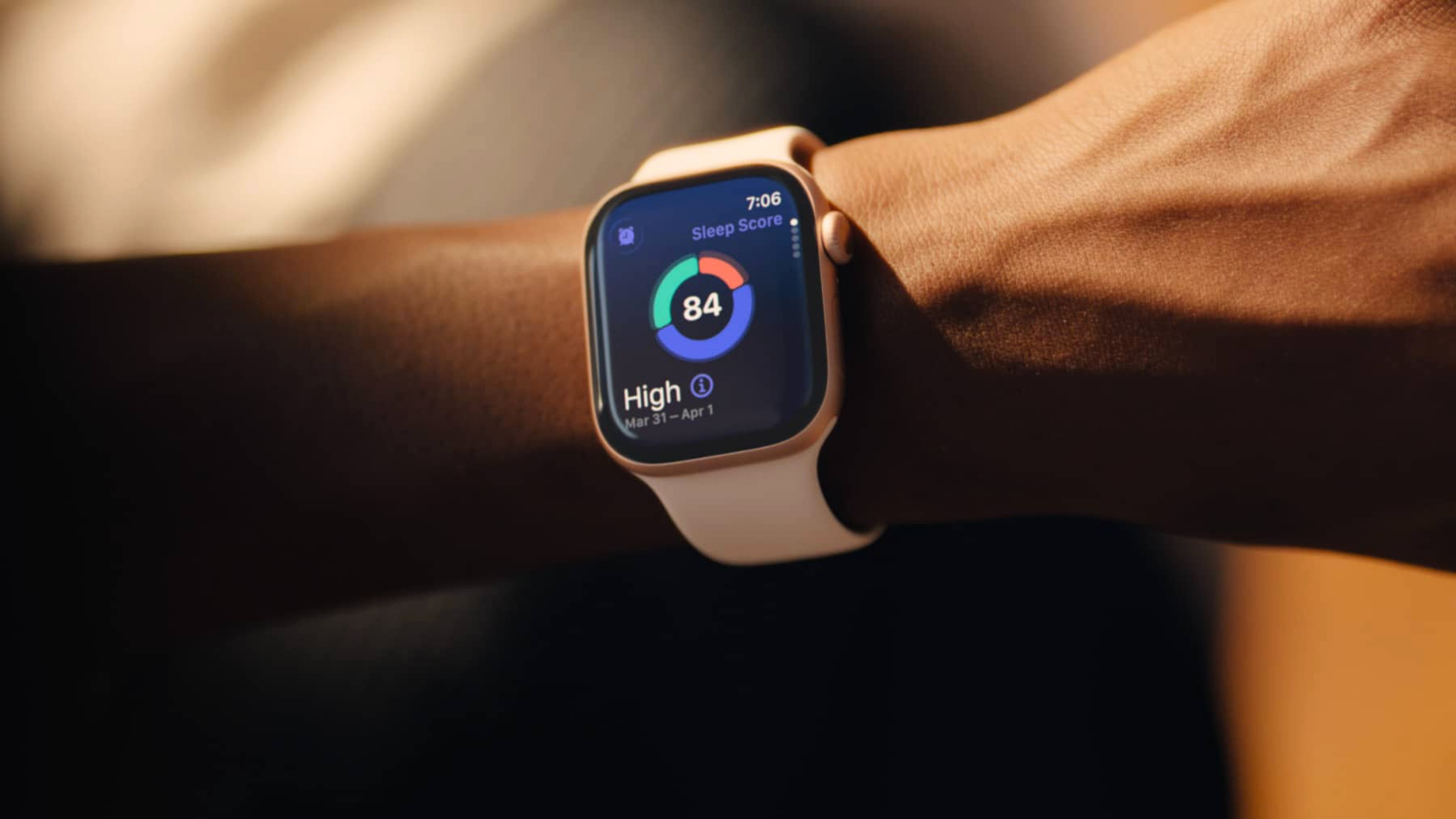
Wearables offer a seamless, modern way to stay connected to your environment without cluttering your nightstand.
Best for: Frequent flyers and hotel stays.
Hotel safety is a major concern for the DHH community. Standard ADA hotel rooms often rely entirely on wall-mounted strobe lights, which are easily missed while sleeping.
Techy Tina’s Tip: When using a travel puck, always use the included pillow clip attachment or slide the clock inside your pillowcase. This prevents the shaker from sliding off the bed onto the floor in the middle of the night!
Best for: Tech-savvy users who want to customize notifications across existing devices.
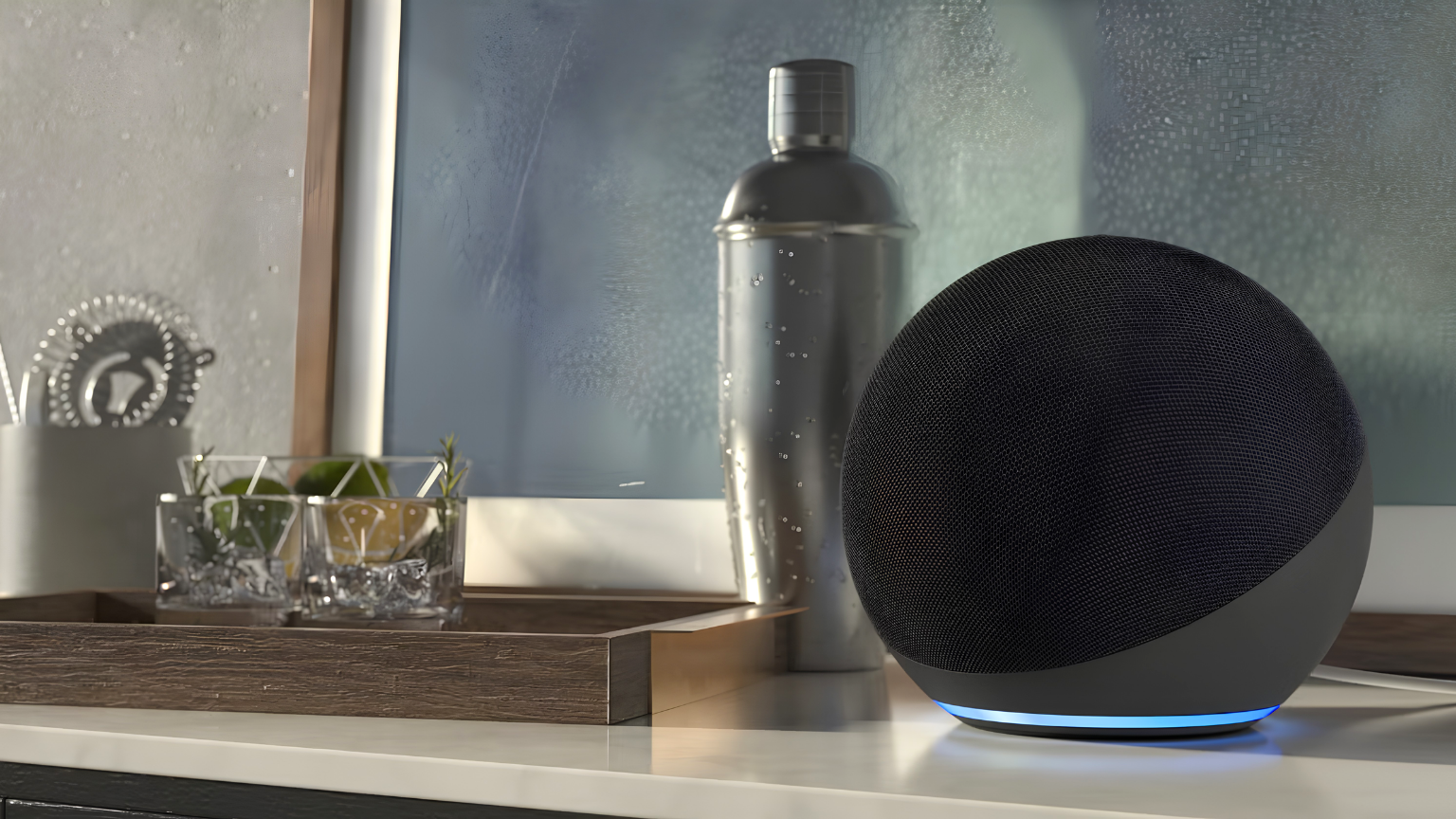
If you already own an Amazon Alexa, Apple HomePod, Google Home, or Samsung SmartThings hub, you can leverage their built-in accessibility features.
Techy Tina’s Tip: Customize your smart bulb colors so you can identify alerts at a glance. For example, program your lights to flash Red for fire/emergency, Blue for severe weather warnings, and Green for the doorbell.
Best for: Critical safety in areas prone to severe weather.
Standard weather radios rely on loud sirens or voice broadcasts, which are useless if you are sleeping or don't have your hearing tech on.
While general marketplaces like Amazon and Walmart carry popular standalone items like the Sonic Bomb, specialized retailers offer a wider selection of modular systems and niche accessories.
My two favorite dedicated websites are:
Prices can vary across platforms, so it pays to shop around, compare return policies, and check if your local vocational rehabilitation program or insurance can help cover the cost of essential safety alerting systems.


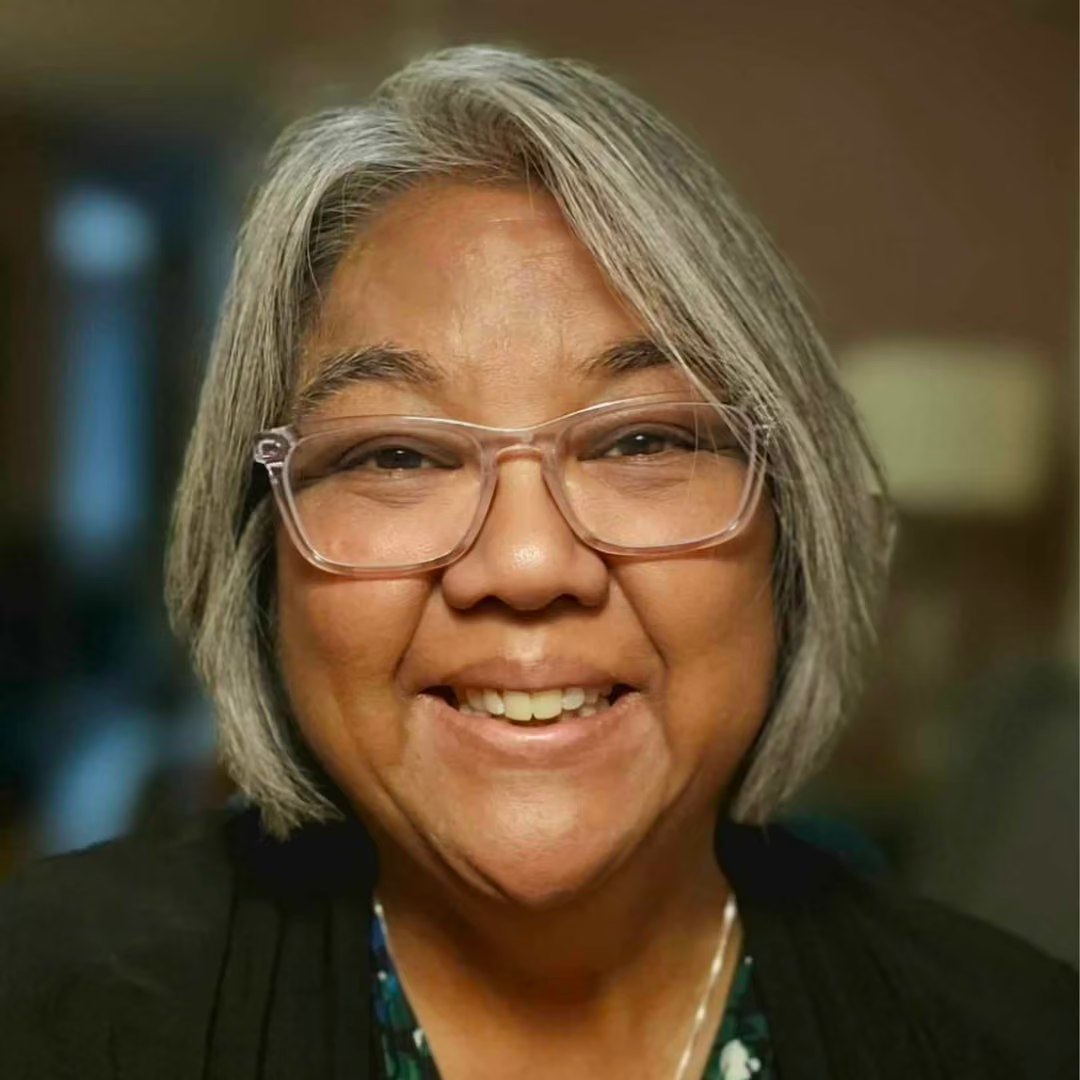
Dr. Tina Gonzales Childress is a dynamic audiologist and advocate who serves as the Director of Accessibility for InnoCaption. As a late-deafened adult with bilateral cochlear implants and fluency in ASL, she uniquely bridges clinical expertise, assistive technology, and lived experience. A recognized subject matter expert in her field, Dr. Childress is an international presenter, adjunct lecturer, and mentor dedicated to helping individuals of all ages navigate hearing loss and thrive in an inclusive world.
InnoCaption provides real-time captioning technology making phone calls easy and accessible for the deaf and hard of hearing community. Offered at no cost to individuals with hearing loss because we are certified by the FCC. InnoCaption is the only mobile app that offers real-time captioning of phone calls through live stenographers and automated speech recognition software. The choice is yours.


.png)