For many in the Deaf and Hard of Hearing community, navigating the workplace isn't just about doing the task at hand. It’s about the constant, often invisible work of advocating for your needs. Tremmel Watson knows this balance intimately.
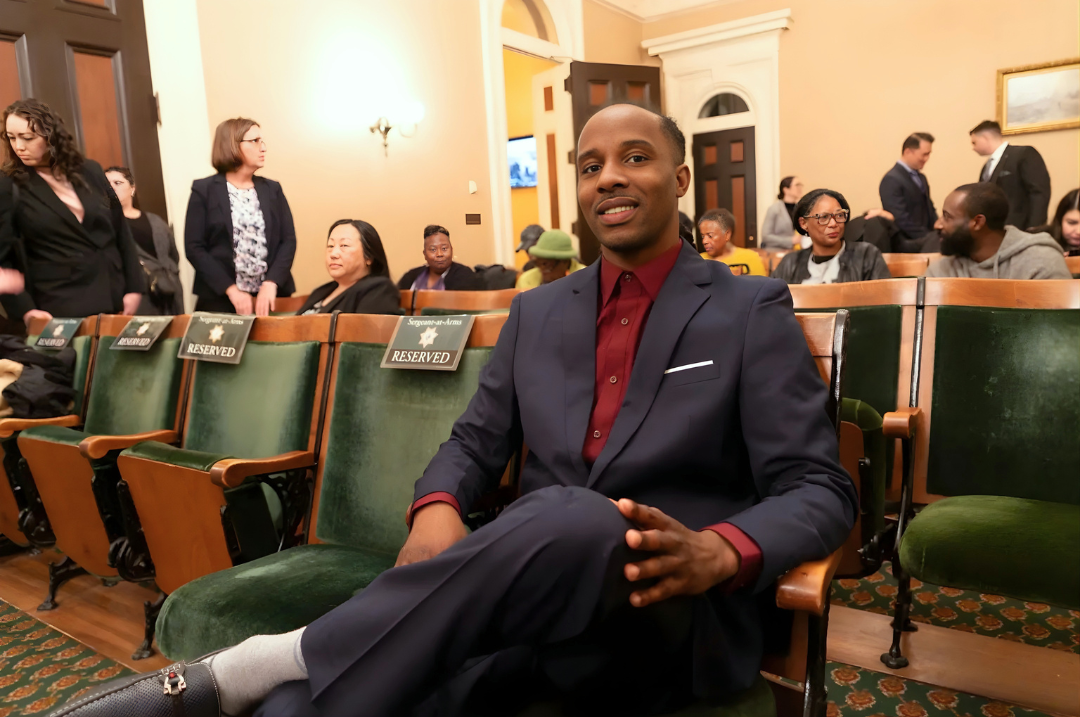
A Black late-deafened adult based in Sacramento, Tremmel grew up "mainstreamed," with English as his first language. This experience taught him to navigate a hearing world that, too often, failed to include him — and today, he has turned that lived experience into a mission for systemic change. As Director of the Global Alliance of Speech-to-Text Captioning, a public policy advocate at Disability Rights California, and the Regional Director for ALDA (Association of Late-Deafened Adults) Region IV, Tremmel is a leading voice in the fight for communication equity. His message is clear: accessibility isn't a "special request" or a compliance box to check. It’s a strategic investment in human potential.
In this Q&A, Tremmel shares his story, explains the advantages of CART captioning, and offers leaders a blueprint for building a workplace culture where "special requests" are no longer needed.
What did being "mainstreamed" look like for you on a day-to-day basis?
Being "mainstreamed" meant I went to a hearing school but was often socially and linguistically isolated. On a daily basis, access was a constant, exhausting performance. It looked like using my spoken voice because that was the primary "accepted" mode of communication, and trying to piece together fragments of conversation, which is mentally draining and never 100% accurate. I often pretended to follow conversations just to avoid the awkwardness of asking someone to repeat themselves.
What led you to move from that "performance" into becoming an advocate and consultant?
I started advocating out of necessity. Seeing systems overlook the people they serve made it clear I had to speak up. Over time, I began helping organizations put accessibility into practice. Consulting allows me to combine my lived experience and policy expertise to provide practical guidance. I want to help organizations put accessibility into practice so that others don't have to navigate the same barriers I did.
In your experience, what are the most common barriers that keep people from having equal access?
A major barrier is that accessibility decisions are often made without our input. For example, a conference might provide an ASL interpreter but no captioning. Because they didn't consult the community, they didn't realize that many late-deafened adults do not know sign language. True accessibility requires listening to and including the voices of those who rely on these systems. True accessibility isn't a single "fix" — it's a menu of options tailored to the individual.
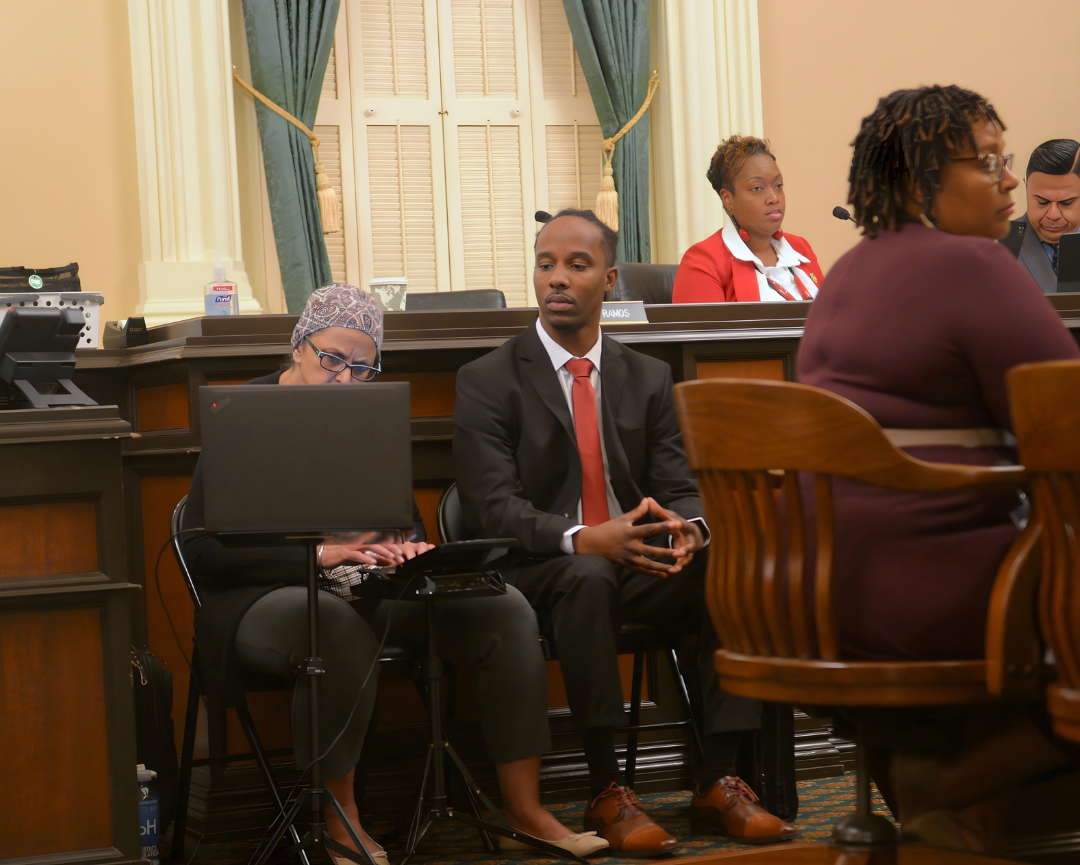
In your role at the Global Alliance, you advocate for CART (Communication Access Realtime Translation) over automated captions (ASR). Why is that distinction so critical?
CART is live human captioning that captures speech, context, and speakers in real time. CART and automated captions serve different purposes. Automated captions can provide quick access in informal settings, but they often misidentify speakers and struggle with context or technical terms. For example, automated captions might render "ADA" as "88," which can change the meaning entirely.
CART is the better choice when accuracy and full context are essential, especially in legal, medical, or governmental settings where mistakes can affect outcomes. A trained human captioner can correct mistakes in real time, ensuring that the transcript remains accurate.
Do you see CART as a benefit only for the Deaf and Hard of Hearing community?
No, it supports broader access. For individuals with auditory processing challenges or ADHD, a live text stream provides a visual anchor that helps maintain focus. It helps bridge the gap for those struggling with accents or technical jargon, and in noisy offices or public spaces with poor acoustics, captions act as a fail-safe to ensure the message is received.
If you could share one key perspective on accessibility with business leaders, what would it be?
Accessibility is a strategic investment in talent, not just a compliance requirement. Providing the right communication tools removes barriers that prevent employees from contributing fully, reduces listening fatigue, and ensures critical information reaches everyone accurately. Leaders should proactively ask employees, "Do you have the tools you need to succeed?" Normalizing this unlocks human potential and strengthens the workforce.
What practical steps can organizations take right now to improve communication access?
Start by making it a standard part of onboarding to ask: "What tools or setups do you need to perform at your absolute best?" We need to move away from the idea of "special requests" and instead frame accommodations as "performance tools" that ensure equity and effectiveness.
Organizations should also partner with resources like the Job Accommodation Network (JAN) or state Vocational Rehabilitation offices. They can provide technical expertise to identify solutions such as hearing loops or remote microphones tailored to specific workplace needs.
What are some "baseline standards" teams should adopt during meetings to be more inclusive?
To maintain a cooperative tone, every organization should adopt these habits:
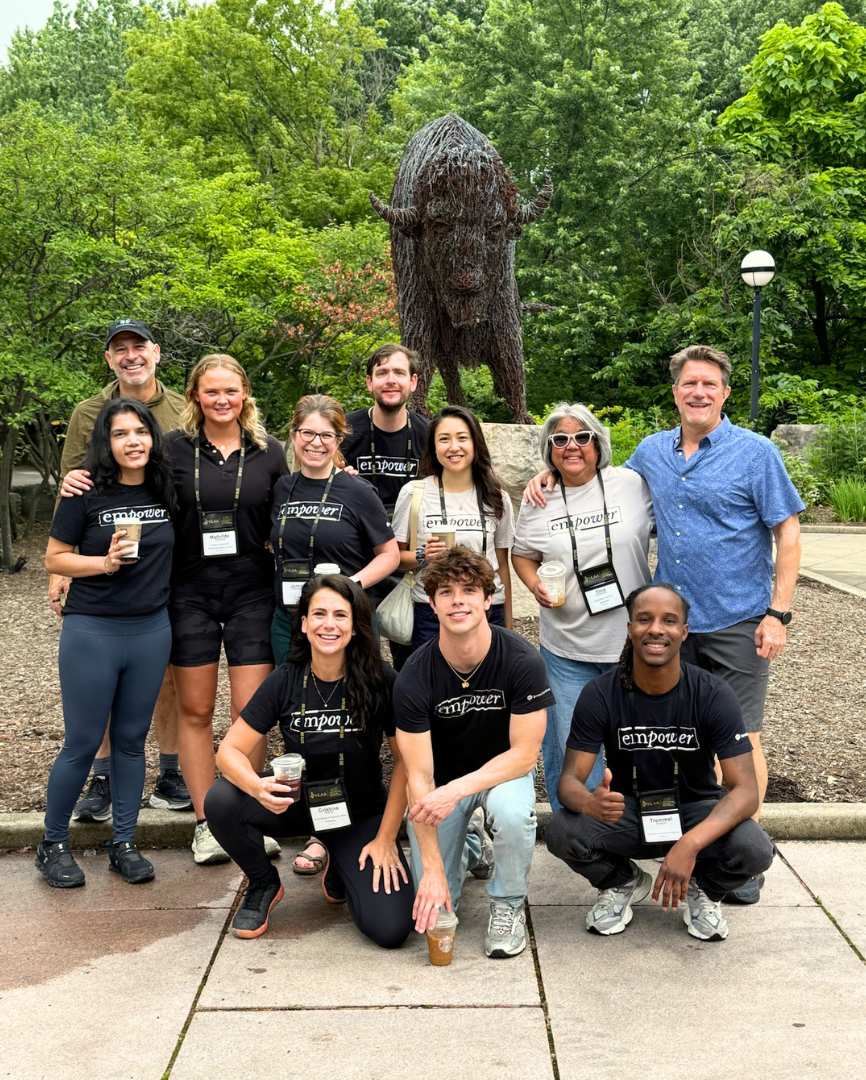
What's your advice when someone gets pushback like, "Can't you just sit closer" or "Auto captions should be fine"?
I appreciate the suggestion, but sitting closer doesn't resolve the full communication barrier. I rely on accurate captioning to follow discussion, track speakers, and participate in real time. For business meetings where decisions are being made, I've found that professional captioning is what ensures accuracy and full engagement. That is what allows me to contribute at the same level as everyone else.
What would you say to someone who is newly navigating hearing loss and finding it difficult to ask for what they need?
Hearing loss can feel isolating, but you don't have to navigate it alone. Connecting with organizations like Association of Late Deafened Adults (ALDA), Hearing Loss Association of America (HLAA), SayWhatClub, or the Center for Hearing Access (CHA) allows you to learn from others who have "been there."
Don't wait for misunderstandings to happen — disclose your needs early and frame them as professional standards: "To be 100% accurate on this project, I need captions." Leading with solutions projects confidence and competence.


Minah Han is a marketing professional dedicated to advancing accessible communication solutions for the deaf and hard of hearing community. At InnoCaption, she leverages her expertise in digital marketing and storytelling to amplify the voices of individuals who rely on innovative technologies for everyday conversations. Minah is passionate about bridging the gap between technology and accessibility, helping to drive awareness and education around captioned calling solutions.
InnoCaption provides real-time captioning technology making phone calls easy and accessible for the deaf and hard of hearing community. Offered at no cost to individuals with hearing loss because we are certified by the FCC. InnoCaption is the only mobile app that offers real-time captioning of phone calls through live stenographers and automated speech recognition software. The choice is yours.